8.3 Disability
All About Epilepsy
By: Jaiden Clifton
Overview
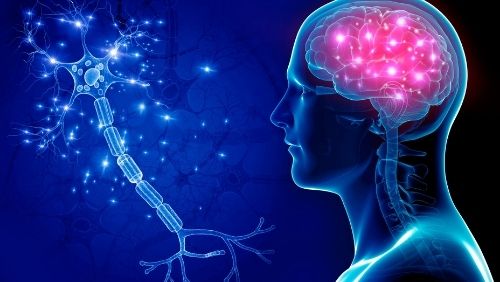
Epilepsy is a long-term and serious condition where some nerve cells in the brain send out false signals, leading to seizures. Normally, neurons send electrical and chemical signals that help control our thoughts, emotions, and actions by communicating with other neurons, organs, and muscles. However, in epilepsy, these signals can become disrupted.
During Epilepsy:
- Neurons send signals at a much faster rate
- Causes Excessive Electrical Activity
- Disturbance in the normal function of nerve cells

Symptoms
Symptoms of Epilepsy can include a variety that can change behavior, affect activity in the brain, and have warning symptoms even before a seizure happens.
Behavior Change Symptoms:
- Confusion
- Staring Trance
- Fear
- Anxiety
- Deja Vu
Activity in the Brain Symptoms:
- Loss of Consciousness
- Hallucinations
Warning Signals:
- Feeling in the Stomach
- Flashing lights, colors, or shapes
Other Symptoms:
- Uncontrollable jerking body movements (legs and arms)
- Stiff Muscles
Who Can Have Epilepsy?
Epilepsy is a serious disability that must be cared for very thoroughly. Anyone and everyone of any age, race, and gender can have epilepsy. There are several causes of epilepsy, and there is not just one singular.
The causes can range from genetic factors, brain abnormalities, strokes, tumors, etc. It is about the damage to nerve cells in the brain that can trigger this disability.
Epilepsy may cause other risk factors. This disability can have a major impact on mental health. Someone who is pregnant or plans to become pregnant should talk with their doctor as it is important to know the risk factors that the mother can pass on to their offspring. Barriers in education and employment may also have a significant impact on one's life.
Causes of Epilepsy
Triggering Epilepsy may come in various forms due to the person, their environment, and their actions.
- Stress
- Alcohol, or Alcohol Withdrawal
- Dehydration
- Skipping Meals
- Exposure to toxins or poisons (lead, carbon monoxide, illicit drugs)
- Hormonal Changes
- Sleep deprivation
Treatment
Treatment for Epilepsy can be different based on the person and how severe their epilepsy and episodes can be. One major treatment is taking medication. There are anti-seizure medicines that someone with epilepsy can take, and it is important to keep taking the medication as prescribed if seizures continue. Another form of treatment can look like surgery. In this treatment, removing areas that are infected and prone to causing seizures may reduce the risk of having one. Lastly, another form of treatment can be a person's diet.
The most important treatment for epilepsy is taking care of yourself. It is important to know how to care for your own body and how you care for the disability you have.

Epilepsy is a serious disability that is very important to know how to take care of if you or someone you know may have it. This condition can affect millions of people worldwide, with varying causes, symptoms, and treatment options. Although it can be difficult to manage, advances in medicine and treatment have provided many individuals with the opportunity to continue to live normally. Through medication, surgery, or lifestyle adjustments, there are ways to control and even reduce the frequency of seizures. It's important to remember that epilepsy does not define a person, and with the right support and care, individuals with epilepsy can thrive just like anyone else. Raising awareness, understanding, and offering compassion are key to creating a more inclusive environment for those living with this condition.
References:
Centers for Disease Control and Prevention. (n.d.). Treatment of epilepsy. Centers for Disease Control and Prevention. https://www.cdc.gov/epilepsy/treatment/index.html
National Institute of Neurological Disorders and Stroke. (n.d.). Epilepsy and seizures. https://www.ninds.nih.gov/health-information/disorders/epilepsy-and-seizures#:~:text=Epilepsy%20is%20a%20chronic%20brain,thoughts%2C%20feelings%2C%20and%20actions.
Mayo Foundation for Medical Education and Research. (2023, October 14). Epilepsy. Mayo Clinic. https://www.mayoclinic.org/diseases-conditions/epilepsy/symptoms-causes/syc-20350093
I'm 30 years old . I tested genital herpes (HSV1-2) positive in 2019. I was having bad outbreaks. EXTREMELY PAINFUL. I have try different kinds of drugs and treatment by the medical doctors all to know was avail. Six months ago I was desperately online searching for a helpful remedies for genital herpes (HSV1-2) cure, which I come across some helpful remedies on how Dr Harry have help so many people in curing genital herpes (HSV1-2) with the help of herbal treatment because I too believe there is someone somewhere in the world who can cure herpes completely. At of the past 2 months, however, I've been following his herpes protocol Via (drharryherbalhome19@gmail.com) or (+2349163577328) and it stopped all outbreaks completely! To my greatest surprise I was cured completely by following the protocol of his herbal medicine . Don't be discouraged by the medical doctors. There is a cure for HSV with the help of herbs and roots by a herbalist Dr call Dr Harry he is so kind and truthful with his herbal treatment, kindly contact him for more information Via (drharryherbalhome19@gmail.com) or WhatsApp number (+2349163577328). thank you doctor..https://drharryherbalhome.simdif.com/
ReplyDelete